The Ultimate Guide to Roof Maintenance: Tips From Roofing Experts
Roof maintenance is often overlooked yet vital for preserving a home's integrity. Neglect can lead to serious issues, including leaks and structural damage. This resource delivers valuable knowledge sourced from professional roofing specialists. It addresses assessment methods, frequent issues, and weather-related maintenance strategies. Residents will gain hands-on guidance for independent roof care and understand when to consult a qualified specialist. Understanding these elements can prevent costly repairs, but what specific steps should be taken first?
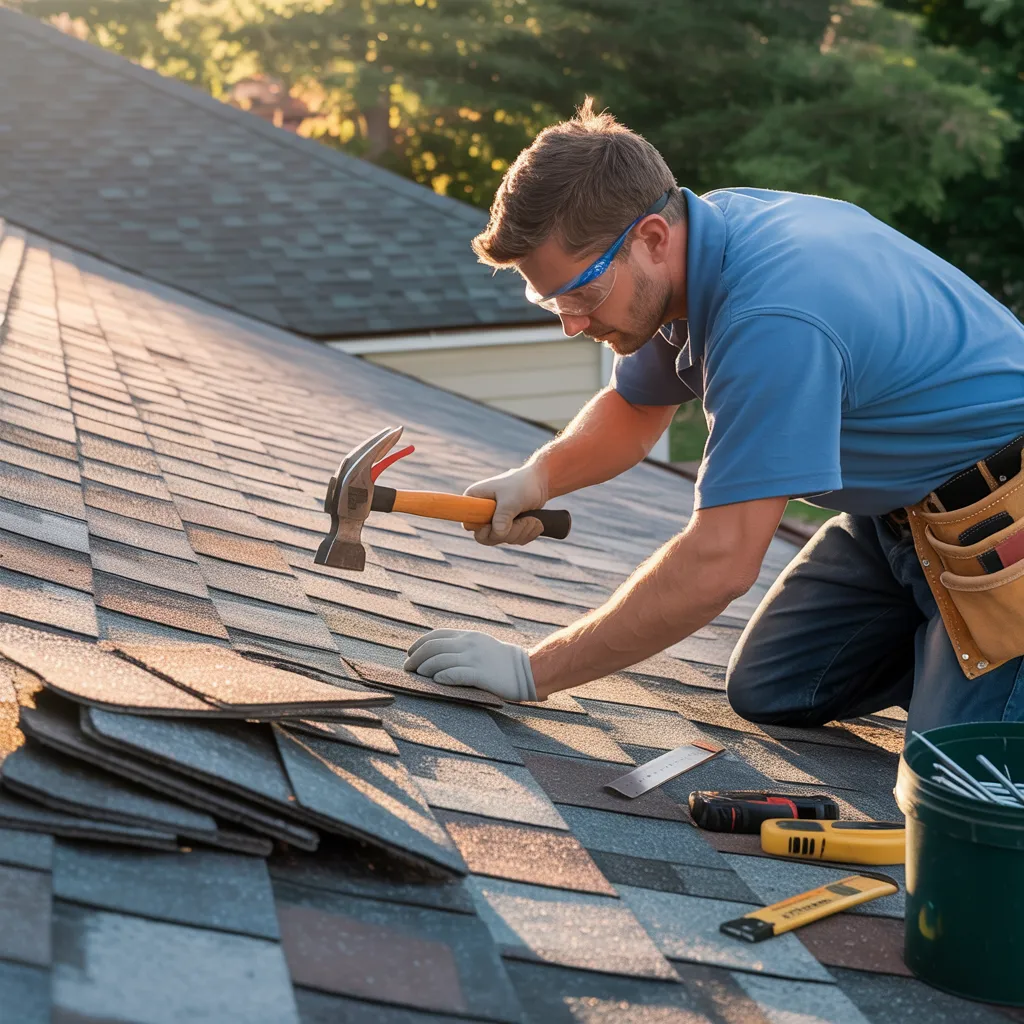
Appreciating the Importance of Maintaining Your Roof
Although often overlooked, the value of roof maintenance cannot be overstated. A regularly maintained roof plays an essential role in protecting a home from weather-related damage, ensuring structural integrity and extending its service life. Routine upkeep helps identify potential issues prior to them becoming costly repairs, protecting both the property and those living in it.
Neglecting roof care can cause water damage, mold development, and compromised insulation, ultimately affecting energy efficiency and indoor air quality. Furthermore, a deteriorating roof can lower property value, making it harder to sell in the future. Routine seasonal checkups and swift repairs can help prevent these issues, offering property owners greater reassurance.
Critical Roof Assessment Pointers for Home Owners
Consistent roof inspections are crucial for upholding the condition of a home. Homeowners are advised to perform inspections additional resource a minimum of twice annually, preferably in spring and fall, to evaluate their roof's state. It is essential to inspect for debris collection, which can hold moisture and foster mold formation. Furthermore, homeowners should watch for cracked or absent shingles, as these can result in water leaks.
Employing binoculars from below makes it easier to detect possible problems without having to mount the roof. Checking gutters for blockages is just as critical, as blocked gutters can cause water to back up and damage roofing materials. Observing any unusual granule loss from shingles is an equally important consideration, as it could signal deterioration. Lastly, property owners should record their observations for later review, helping them maintain awareness of their roof's status and tackle any problems without delay.
Identifying Common Roofing Problems
Recognizing typical roofing issues is vital for keeping a home in optimal condition. Homeowners should be vigilant for indications of leaks and moisture damage, as well as absent or deteriorating shingles, which can compromise the roof's effectiveness. Furthermore, the appearance of moss and algae can suggest hidden concerns that must be resolved without delay.
Water Damage and Leaks
How can homeowners successfully detect leaks and water damage before they turn into significant concerns? Routine inspections are essential. Homeowners are advised to examine water stains on ceilings and walls, as they commonly signal underlying leaks. Additionally, damp spots in the attic or around vents can signal moisture intrusion. It is essential to assess the roof during and after periods of heavy rain, checking for accumulated water or leaking. Homeowners are encouraged to check gutters and downspouts as well, confirming they remain clear to reduce the risk of overflow. Inside the home, musty odors can signify mold growth, a consequence of prolonged moisture exposure. By responding to these warning signs in a timely manner, homeowners can steer clear of costly repairs and copyright the structural integrity of their roofs. Routine upkeep is vital for lasting protection.
Missing or Damaged Shingles
A common cause of water damage involves lost or compromised shingles, which compromise the roof's protective barrier. Homeowners are advised to routinely examine their roofs for indications of shingle wear, such as curling, cracking, or loss of granules. Such problems may result from wear over time, extreme weather conditions, or incorrect installation. Should shingles be missing, the base material is left unprotected, increasing the risk of leaks and further damage. It is recommended to tackle these concerns as soon as possible to maintain the roof's integrity. New shingles ought to correspond with the current ones to guarantee uniformity and effectiveness. Consistent maintenance, including gutter cleaning and debris removal, can also assist in avoiding shingle deterioration and extending the roof's lifespan.
Moss and Algae Growth
Moss and algae development can quietly compromise a roof's structural integrity, leading to significant problems if left unchecked. These growths flourish in moist, shaded environments and have the ability to hold moisture against roofing components. As time passes, this may lead to wood decay, deteriorating shingles, and eventual leaks. Homeowners should regularly inspect their roofs, especially in shaded regions, to identify early signs of growth. Implementing preventive measures, such as trimming overhanging branches and ensuring adequate roof ventilation, can reduce the likelihood of moss and algae development. To address current growth, targeted cleaning products or expert services might be required to revive the roof's condition. Addressing moss and algae promptly helps maintain the roof's lifespan and overall home value.
Seasonal Roofing Maintenance Tips
With each changing season, homeowners must prioritize roof upkeep to guarantee lasting performance and reliability. As spring arrives, it is essential to examine the roof for damage caused by winter weather and remove any accumulated debris. This encompasses inspecting gutters and downspouts to confirm proper drainage.
Summer brings intense heat, so checking for cracks and assessing ventilation is essential to avoid excessive heat accumulation. In autumn, homeowners should prepare for falling leaves by washing out gutters and looking for any likely clogs.
In conclusion, winter requires a complete inspection for ice dams and ensuring that insulation is sufficient to avoid heat loss. Routine inspections year-round will aid in spotting concerns promptly, minimizing the chances of significant repair expenses. By implementing these seasonal recommendations, homeowners can maintain the integrity of their roofs and increase their longevity.
DIY Roof Maintenance: Safe Practices and Tools
Maintaining a roof can be a worthwhile DIY endeavor when handled with the appropriate tools and safety protocols. Property owners should first arm themselves with vital gear, including a reliable ladder, grip-soled shoes, and a safety harness. This secures balance and decreases the likelihood of falls while completing tasks at height.
Prior to starting any maintenance tasks, a comprehensive inspection is necessary. This means examining for displaced shingles, debris buildup, and any indications of deterioration. Equipment such as a roofing rake, soft-bristle brush, and sealant gun are beneficial for eliminating debris and closing gaps.
Moreover, working with a partner can improve safety; one person can focus on the task while the other monitors for hazards. Finally, it is essential to keep track of changing weather patterns, refraining from performing maintenance in rainy or windy conditions. By following these safety guidelines, residents can successfully copyright roof integrity while keeping dangers to a minimum.
Signs You Need to Hire a Professional Roofer?
At what point should a homeowner think about bringing in a professional roofer? Multiple indicators can signal that the help of a professional is necessary. One key sign is visible damage like missing shingles, water leaks, or sagging spots that can threaten the overall integrity of the roof. Homeowners should likewise pay attention to water stains appearing on ceilings or walls, which may indicate more serious underlying concerns. In addition, when a roof exceeds 20 years of age, scheduling a detailed assessment with a professional roofer is highly advisable.
Another critical indicator is the presence of mold or moss growth, which can result in more extensive harm if not treated. Additionally, if a homeowner feels uncertain about performing repairs safely or is without the proper tools, seeking a professional is advisable. Detecting these warning signs in a timely manner can avoid further deterioration and expensive future repairs, preserving the lifespan of the roof and the protection of the residence.
Financial Planning for Roof Maintenance and Repairs
Smart financial planning for roof upkeep and repairs is critical for homeowners looking to protect their investment. Setting aside a specific percentage of a home's value each year—usually around 1-3%—helps build a steady fund for unanticipated concerns. Routine inspections can detect small issues before they escalate, frequently avoiding expensive repairs down the road. Homeowners should also consider seasonal factors, as certain climates may require more frequent maintenance.
Additionally, developing a ranked list of potential repairs enables efficient budget distribution. It is advisable to secure multiple quotes from experienced roofing contractors to get a clear picture of pricing for different roofing services. Homeowners should also account for the age of the roof; older roofs may need more frequent attention. Lastly, setting aside an emergency fund for critical repairs makes certain that roofing complications can be handled in a timely manner, avoiding additional damage and protecting the overall structure of the home. Proper financial planning can substantially lessen anxiety and strengthen a homeowner's overall peace of mind.
Frequently Asked Questions
How Regularly Should I Plan Professional Roof Inspections?
Industry specialists advise arranging regular roof evaluations no fewer than twice per year, preferably during the spring and autumn months. This forward-thinking method allows for early detection of possible problems, ensuring the roof remains in good condition while extending its overall longevity.
What Materials Should You Use for Roof Repairs?
Asphalt shingles, metal sheets, and rubber membranes are among the most effective materials for roofing repairs. Each material delivers durability and resistance to weather, ensuring effective restoration and longevity, according to the specific roofing demands and surrounding environmental factors.
Is It Possible to Paint My Roof?
Roofs are indeed paintable, but it's essential to use appropriate coating compatible with the roof material. Adequate surface preparation and compliance with manufacturer guidelines guarantee long-lasting effectiveness in protecting the roof's integrity.
How Does Weather Affect Your Roof Maintenance Needs?
Weather plays a significant role in roof upkeep. Abundant precipitation may result in water leaks, while intense sun may degrade materials. Snow accumulation poses structural risks, requiring routine inspections and prompt repairs to guarantee longevity and functionality of the roof.
What Warranties Are Available for Roofing Materials?
Various warranties for roofing materials encompass manufacturer-provided warranties, which typically cover material defects, and installation warranties, confirming correct installation. Coverage and duration differ based on material type, often ranging from 20 years to a lifetime, based on conditions.